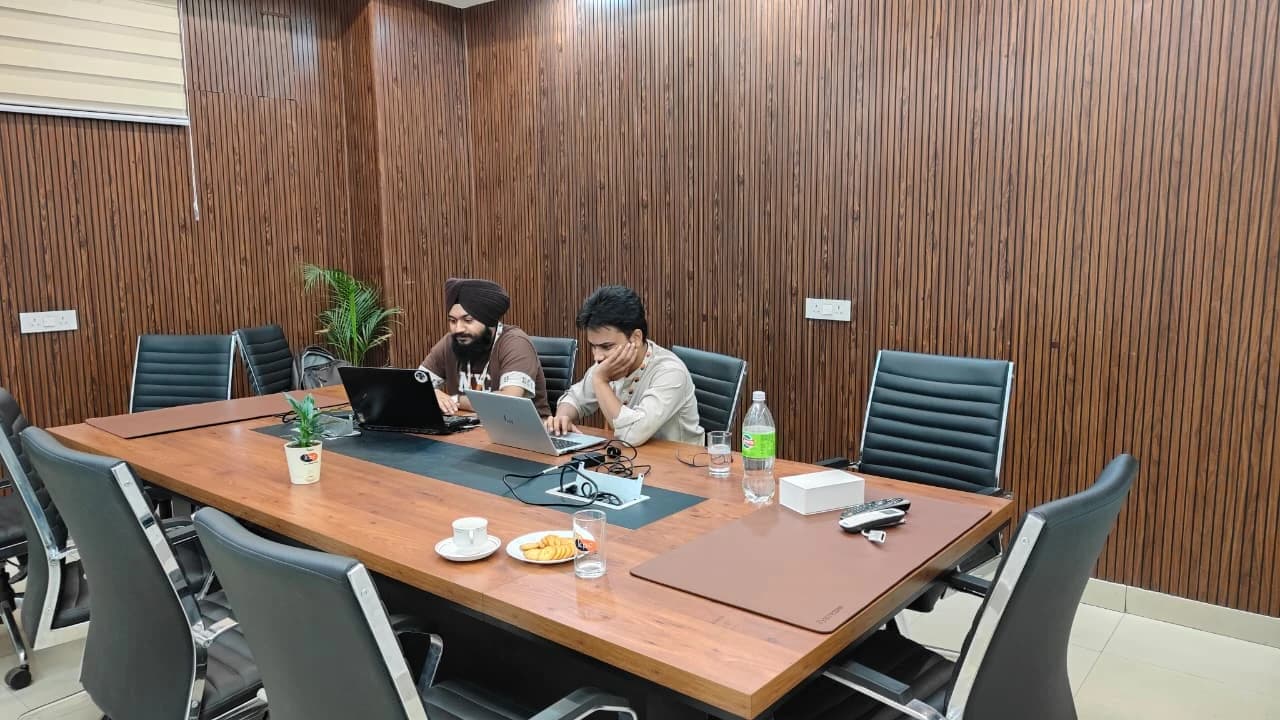
[LoomOS](ref:1) is now running 24/7 on the in-house server of a mid-sized automotive components manufacturer, collecting machine data continuously across every shift. This article outlines the first full LoomOS deployment by Algorizz, from infrastructure set-up to live, real-time machine data for the plant’s teams.
The journey moved quickly: infrastructure readiness on Day 0, machines connected on Day 1, data validated with the shop floor team over the following days, and a live on-premise deployment by the end of the proof of concept.
- Day 0Infrastructure readyNetwork designed and set up to reach every target machine.
- Day 1Machines connectedLoomOS connected to the shop floor. Data flowing the same day.
- Days 2–4Data validatedCleaned, mapped to physical machines and checked with operators.
- End of POCLive on-premiseRunning 24/7 on the client’s own server inside the plant.
Throughout the engagement, Algorizz engineers worked directly with the client’s leadership, plant management, shift supervisors and machine operators.
Day 0: Preparing the infrastructure
The Algorizz team arrived at the plant to find that the infrastructure was not yet ready for machine connectivity. The machines were in production, but there was no network reaching them and no infrastructure in place to collect data from the shop floor.
This is common across Indian manufacturing, where plants are designed for production rather than data collection.
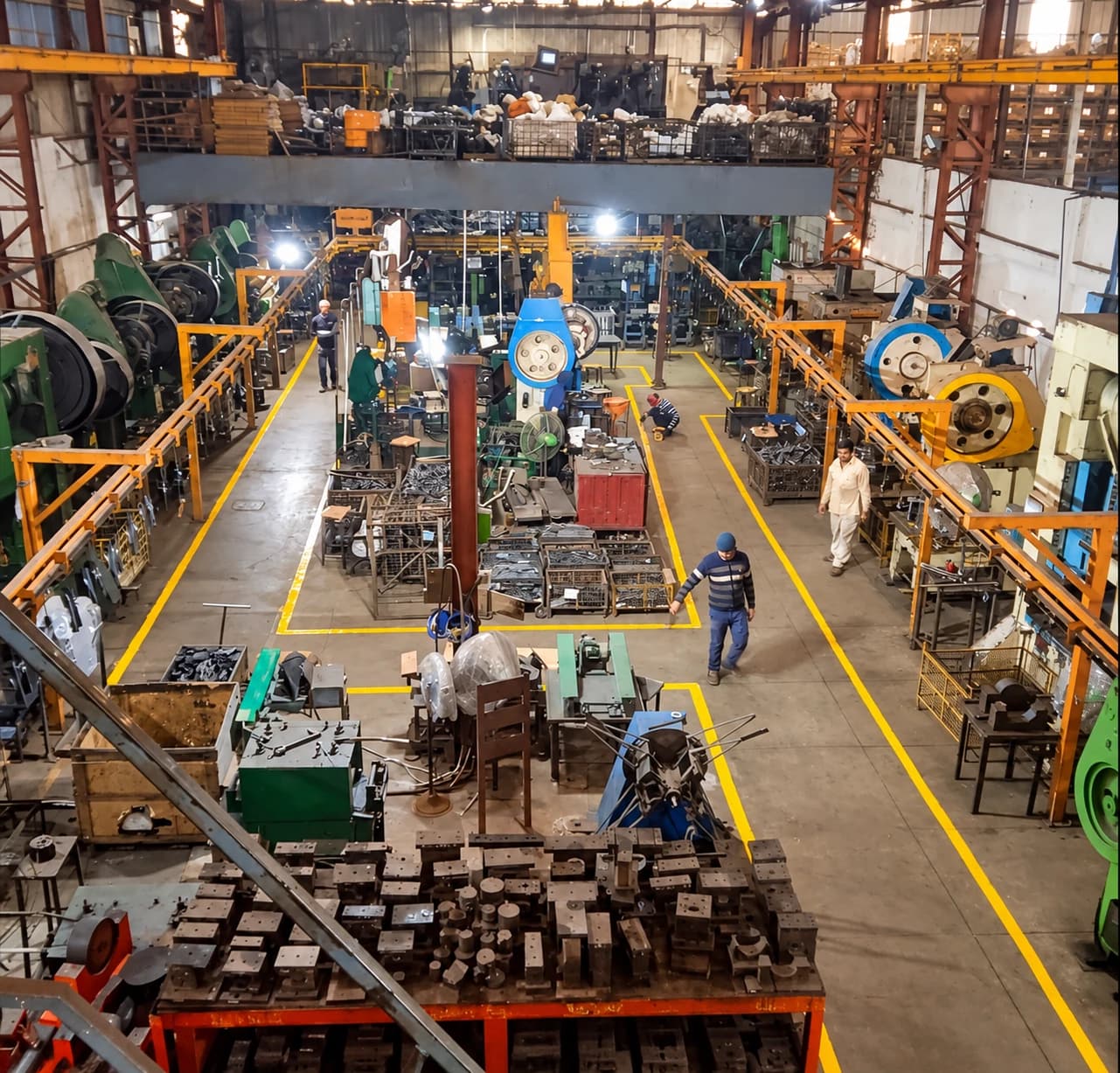
Before deploying any software, the team worked with the client’s staff to prepare the plant:
- Assessed each machine’s connectivity options, including controller ports, interfaces and panel access.
- Designed the network so that every target machine could connect to a central point in the plant.
- Supported the set-up of the infrastructure and network required for LoomOS to connect to the machines.
“Infrastructure readiness is often what determines whether a deployment moves forward, so Algorizz treated it as part of its scope.
Day 1: Connecting the machines
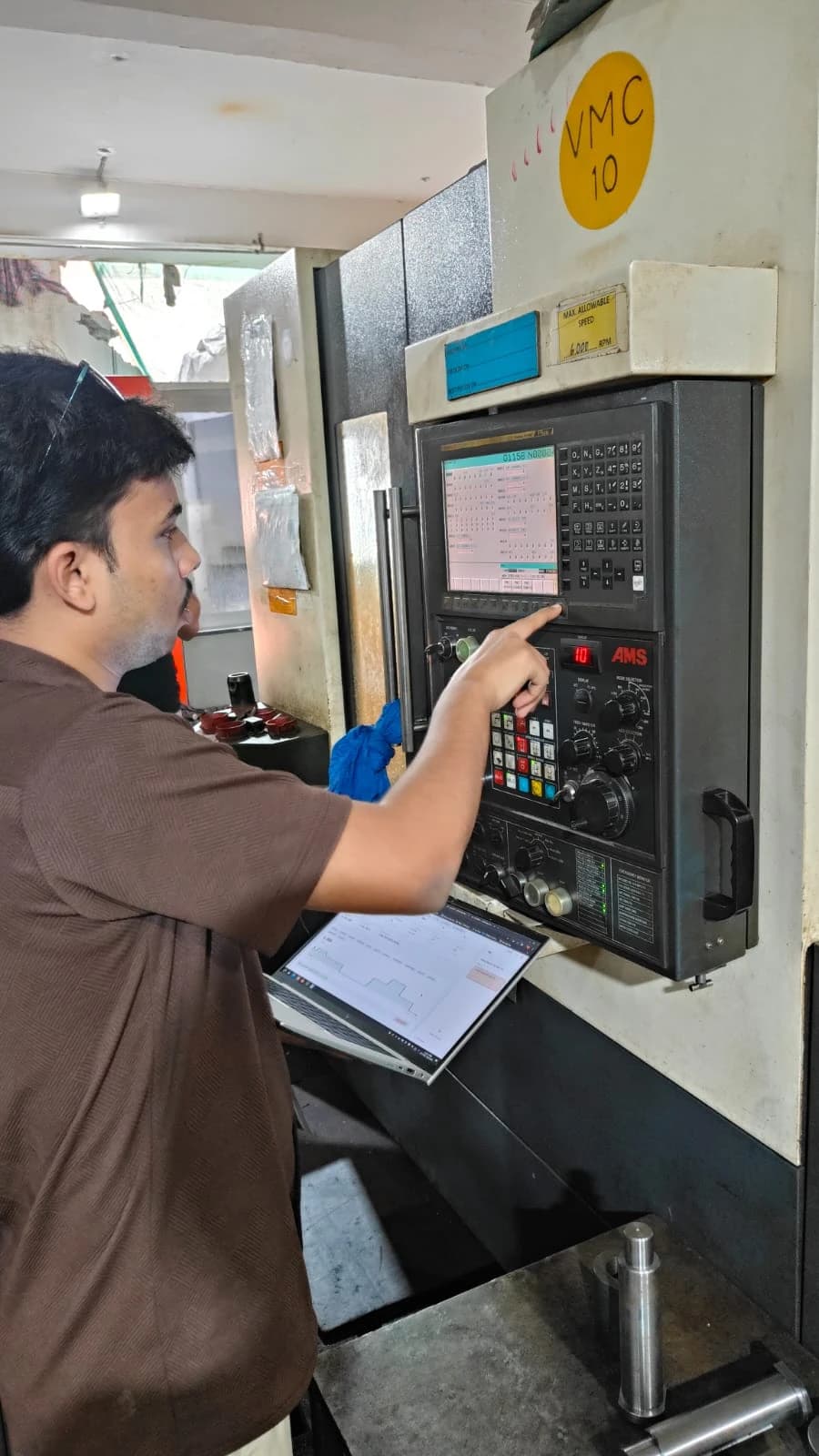
With the network in place, the team began connecting the machines. By the end of Day 1, LoomOS was successfully connected to the machines on the shop floor. Data began flowing the same day.
However, part of the data was raw. Machine controllers[3] report tags, codes and counters defined by the equipment manufacturer, which need to be cleaned and interpreted before they are useful to plant teams.
Live signals alone do not support decisions. The next step was to make the data accurate and relevant.
Days 2 to 4: Validating the data on the shop floor
Over the next two to three days, the team cleaned and validated the data. This work was carried out on the shop floor with the plant’s teams.
- 01Data cleaning. Removing noise, standardising units and separating genuine machine events from background signals.
- 02Mapping signals to physical machines. Algorizz engineers observed each machine through running, stoppage and changeover, and verified that LoomOS reflected its actual status.
- 03Shop floor consultations. The team met operators and supervisors to understand what they monitor each shift, what they currently record manually and what information would help them most.
Operators and supervisors provided context that machine controllers do not capture, such as planned versus unplanned stoppages and how each line is actually run. Their input determined which data points were relevant for daily operations.
“The engineers who gather requirements on the shop floor are the same engineers who build and deploy the solution.
This reflects the Algorizz forward-deployed engineering model.
Days 2 to 4: Understanding the business
While the data was being validated on the floor, Algorizz held discussions with the client’s founders and directors to understand their business processes, including order intake, production planning and dispatch commitments.
These discussions focused on the client’s processes and pain points, and identified where LoomOS could add value. Two requirements emerged as priorities.
Machine utilisation, cycle times and operator efficiency
The first requirement was visibility into how many hours each machine ran in a day.
LoomOS shows the state of every connected machine through the day: when it was idle, when it was running and when it was actually cutting. Running hours are recorded directly from the machine rather than estimated manually.
LoomOS also provides:
- Cycle time for every part. LoomOS tracks how long each part takes to produce, as it is produced.
- Variance through the day. Changes in cycle time during a shift are visible in real time.
- Operator efficiency. A large variance in cycle time at any point in the day helps teams identify where attention is needed.
All of this is available in one click in LoomOS, giving management and shop floor teams the same view of production.
Production planning and line balancing
The second requirement was production planning and line balancing[4].
Production planning and line balancing are built into LoomOS. It reads three things together:
From these, LoomOS plans production so orders are made in time for dispatch on the machines that can actually take them. Because the machines are connected, planning is based on live machine availability.
Looking ahead: ERP integration
The client already uses an ERP[5] system. LoomOS is designed to work alongside it. Algorizz met with the client’s senior team to understand the gaps in their current ERP.
In the next phase, Algorizz will integrate LoomOS with the client’s ERP and build the capabilities required to close these gaps, bringing order, production and machine data into one connected system.
End of the POC: Going live on-premise
At the end of the proof of concept, Algorizz deployed LoomOS on-premise[6], on the client’s own server inside the plant. Three parts went live:
- 01Machine connectivityA continuous link to the machines on the floor.
- 02Machine Health StudioMachine states, running hours, cycle times and variance, as they happen.
- 03Data StudioClean, mapped production data that the plant owns and can use.
LoomOS now runs 24/7. It collects data continuously and puts real-time information in front of the people making decisions on the floor and in the office.
Running on-premise matters to manufacturers. The data stays inside the plant, on hardware the client controls, and the system does not depend on an internet connection to keep working.
Key takeaways
- 01Infrastructure readiness is part of the deployment. Preparing the network and infrastructure was the first step, not a precondition.
- 02Data must be validated before it is used. Raw machine data becomes reliable only after it is cleaned and verified against the physical machines.
- 03Shop floor input shapes the solution. Operators and supervisors identified the data that matters most in daily operations.
- 04Visibility starts with the basics. Accurate running hours, machine states and cycle times form the foundation for better decisions.
- 05LoomOS complements existing systems. It works alongside the client’s ERP and addresses the gaps around it.
LoomOS is now live at the plant, with ERP integration planned as the next phase.
LoomOS is the operating system for manufacturing, built by Algorizz. It connects the machines, executes the shift and runs the commercial layer where there is no ERP, with five AI studios: Machine Health, Quality, Action, Data and Twin, built on Algorizz’s AI, vision and ML work. Learn more at loomos.algorizz.com or start a conversation.